
Embracing Intentional Living: How Thoughtful Design Transforms Your Home in 2026

Creating a home that truly supports your lifestyle is the biggest trend in spring design for 2026. More than just a fresh coat of paint or trendy décor, intentional living means designing spaces that function beautifully and feel deeply personal. Homeowners are moving beyond quick fixes to make thoughtful decisions that improve how they live each day. This shift is changing the way people furnish and remodel their homes, focusing on calm, organized, and welcoming environments.
Intentional living is not just a buzzword; it’s a design philosophy that aligns your home with your routines, needs, and long-term goals. Whether you are refreshing your furnishings or planning a full remodel, thoughtful design can transform your space into a sanctuary that supports your life.
What Intentional Living Means for Your Home
Intentional living in home design means creating spaces that work for you, not just look good. It’s about making choices that improve comfort, flow, and functionality. Here are some key elements:
Comfort and balance: Choosing furniture that feels good and fits the room’s scale.
Improved flow: Arranging rooms so movement feels natural and easy.
Warm lighting: Using lighting to create a cozy, inviting atmosphere.
Smart storage: Designing solutions that hide clutter and keep spaces tidy.
Purposeful remodels: Changing layouts or structures to better fit your family’s lifestyle.
This approach encourages homeowners to think beyond trends and focus on what truly enhances their daily life.
How Intentional Design Shows Up in Real Homes
Intentional living looks different for every family, but some common examples include:
A living room arranged to encourage conversation and relaxation, with comfortable seating and layered textures.
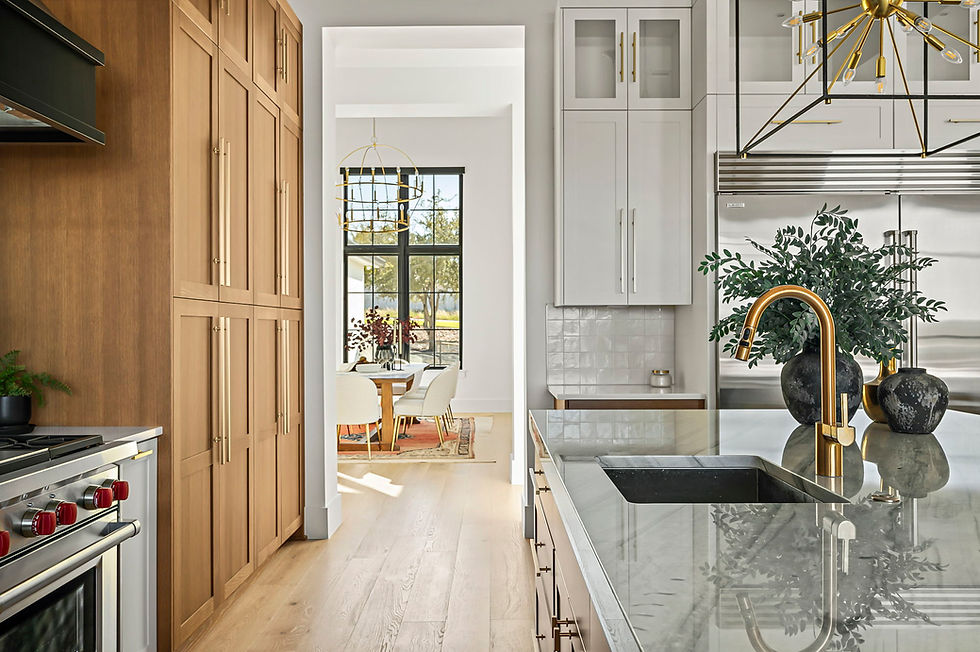
A kitchen remodel that opens up the space for better movement and adds hidden storage to reduce countertop clutter.
Bedrooms are designed with calming colors and lighting that support restful sleep.
Entryways with organized storage for shoes, purses, and coats create a calm, clutter-free transition into your home.
These examples show how thoughtful design can improve not just the look but the feel and function of your home.

When to Refresh Furnishings Instead of Remodeling
Not every home needs a full remodel to embrace intentional living. Many spaces already have good bones and only require a furnishing update to feel complete. A professional furnishing plan can:
Create a cohesive color palette that ties the room together.
Select furniture that fits the space and improves comfort.
Add layered textures for visual interest and warmth.
Elevate the overall look to feel polished and intentional.
This option suits homeowners who want a luxury, designer-curated look without the disruption of construction. It’s a smart way to refresh your home while focusing on how you live.
The Role of Professional Interior Design
Intentional living benefits greatly from expert guidance. Interior designers bring a strategic approach that balances aesthetics with function. They help you:
Identify your lifestyle needs and goals.
Plan layouts that improve flow and usability.
Choose furnishings and finishes that support comfort and style.
Design storage solutions that reduce clutter.
Manage remodels that enhance your home’s purpose.
Working with a professional ensures your home not only looks beautiful but also supports your daily life in meaningful ways.
Practical Tips to Start Living Intentionally at Home
You don’t have to overhaul your entire home to begin embracing intentional living. Here are some practical steps:
Assess your routines: Notice how you use each room and what feels awkward or inefficient.
Declutter: Remove items that don’t serve a purpose or bring joy.
Focus on comfort: Choose seating and bedding that support relaxation.
Improve lighting: Add layers of light with lamps, dimmers, and warm bulbs.
Organize storage: Use baskets, shelves, and hidden compartments to keep surfaces clear.
These small changes can make a big difference in how your home feels and functions.
Why Intentional Living Matters More Than Ever
In 2026, homes are more than just places to live; they are spaces to recharge, connect, and grow. Intentional living helps create environments that support mental well-being and simplify daily life. Thoughtful design reduces stress by making your home easier to navigate and more enjoyable to spend time in.
By focusing on how you live, not just how your home looks, you create a space that truly belongs to you. This approach leads to lasting satisfaction and a home that evolves with your needs.


Comments